
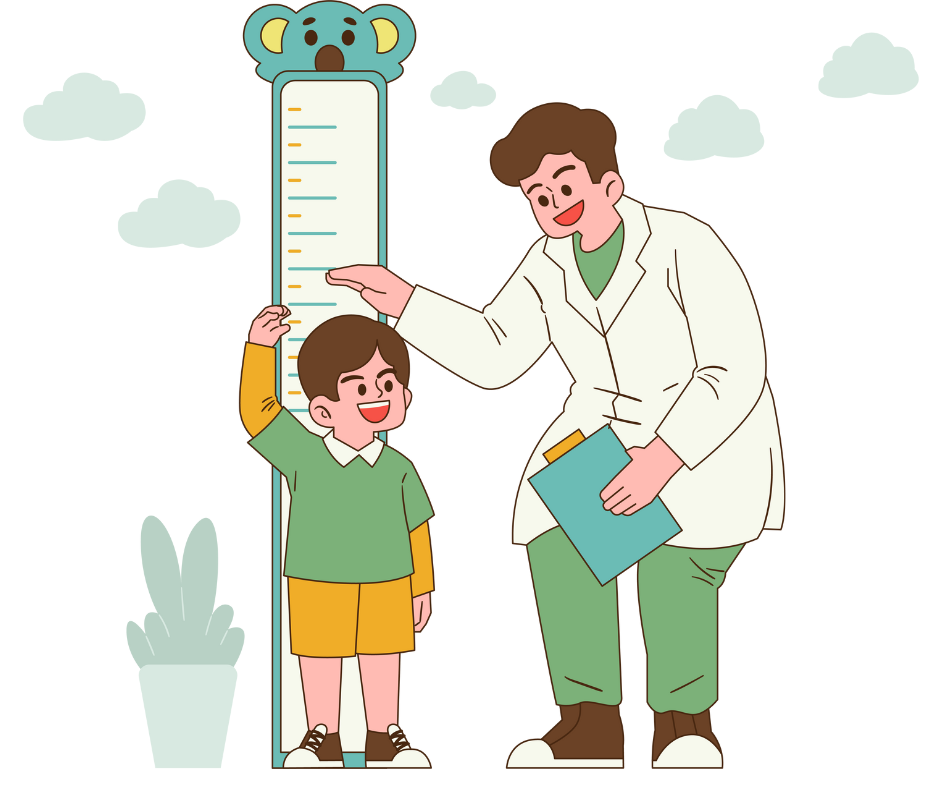
Growth is one of the key indicators of your child’s overall health. But what if your child seems shorter or lighter than their peers? Or eats less than expected? While genetics play a role, delayed or poor growth can also be the first sign of underlying issues — nutritional deficiencies, hormonal imbalances, or chronic illnesses.
According to WHO, growth monitoring using percentile charts should begin at birth and continue at least till 18 years of age. But more than charts, growth is a story — and Dr. Milind Jambagi helps you read it.
-
Weight-for-age
-
Height-for-age
-
Weight-for-height
-
BMI-for-age
-
Head circumference (especially in infants)
Using growth charts, Dr. MilindJambagi compares your child’s stats against global and Indian standards to track whether they’re thriving or falling behind.
Warning Signs That Need a Pediatrician’s Attention:
-
Falling below the 5th percentile
-
Sudden drop across 2 percentile lines
-
No weight gain in 3+ months (after infancy)
-
Poor appetite, frequent illness, or delayed puberty
Poor nutrition doesn’t just affect height — it can impair cognitive development by up to 20%, according to UNICEF studies.
The earlier growth issues are identified, the better the intervention outcomes. Whether it’s adjusting dietary habits or evaluating for thyroid or hormonal deficiencies, timely pediatric support is key.
Let your child grow with strength, confidence, and the right care.
